Sunday, March 24, 2013

From Industry to Charm

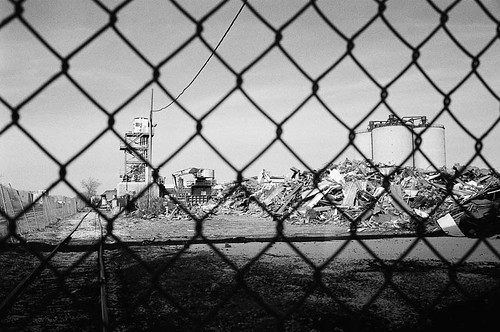
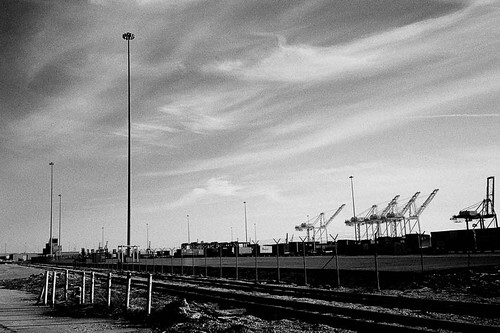
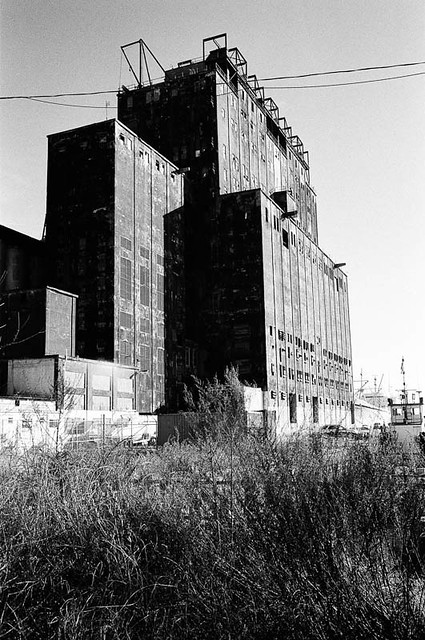
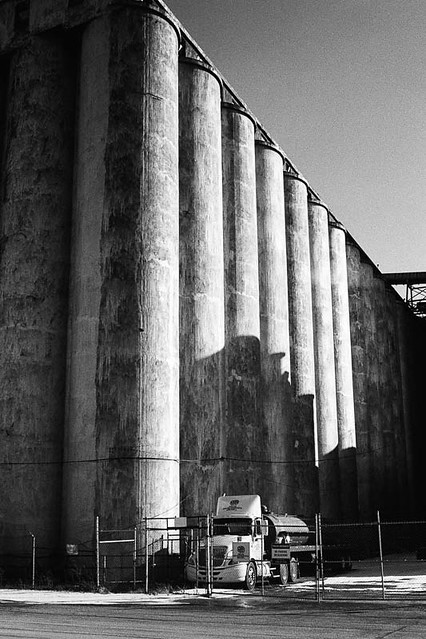
Really these pictures could have been taken in any industrial area. These pictures happen to be from Baltimore. I still believe in Baltimore. Between 1950 and 2012, the population dropped from about 1.1 million to around 600 thousand. But I think the city is well over that statistic. Today it's more about the art, the business, the waterfront, the history, and of course, the charm.

If all you know of Baltimore is what you've seen on The Wire, you know nothing. I dare you to walk up Charles Street from Federal Hill to Penn Station and not fall in love.

These pictures were not taken anywhere near Charles Street. At no point was I afraid that some thug would take away my Leica though. Just put that image out of your head.

Chain Link

Point Breeze

Point Breeze

Point Breeze

Saturday, December 22, 2012

Forwards and Backwards

Forwards: The trusty, old 4GB Core2 Quad I built in 2008 finally took a turn for the worse. The main 160GB IDE drive was giving all kinds of random read and write errors, and the heat sink simply wouldn't say on the processor. Obviously, both of these problems could be easily fixed piecemeal, but it was time for something new. Four gigabytes of RAM just isn't enough to run Chrome, Lightroom 4, Photoshop CS5, and iTunes. Thankfully a new Microcenter opened up nearby just a couple months ago. A couple days and a few hundred dollars later, I'd built a quiet Core i5 with 16GB of RAM and 120GB SSD. Amazing. I guess I can't really be that amazed with something like an iPhone 4 in my pocket. Now that's amazing.

Backwards: I've had the Leica M6 for just over a year now. It hasn't had a working battery for almost that entire time, which means I've been eyeballing the exposures for a year now. The pictures below were uploaded to flickr without any levels, brightness, or contrast adjustments in Photoshop or Lightroom. They're essentially straight out of the camera. It's a good feeling.

Perhaps the moral of the story is that you don't really need a faster computer any more than you need a "better" camera if you take your time and get it right the first time.

To everyone (anyone?) reading this, I wish you happy holidays and the best of luck in the new year.

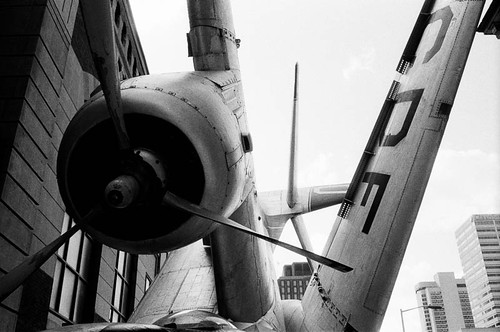
Grumman Greenhouse

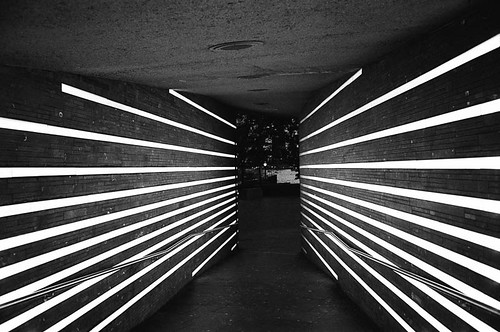
Time Machine

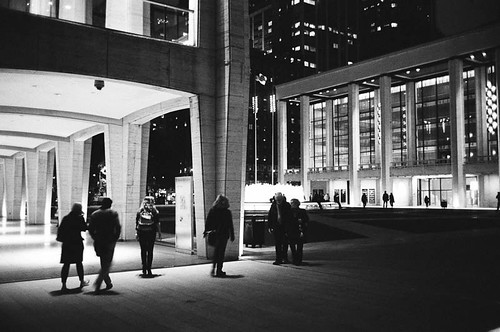
The Future

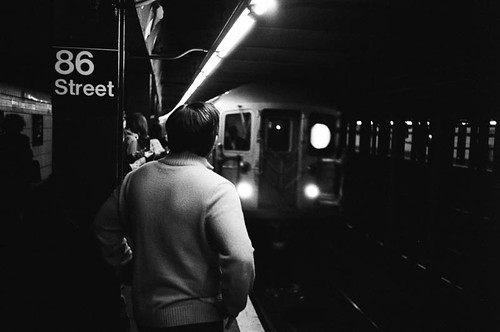
86th and Waiting

Sunday, November 25, 2012

Arizona on Film

Monument Valley

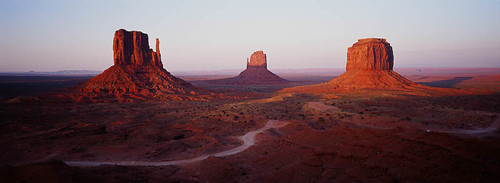
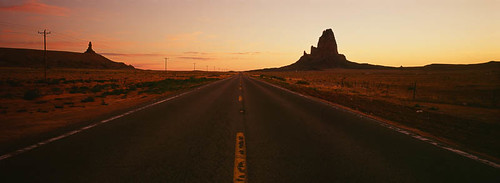
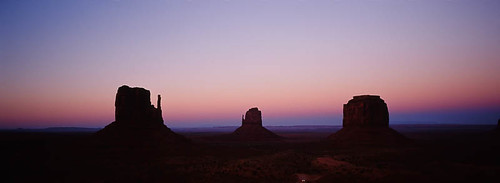
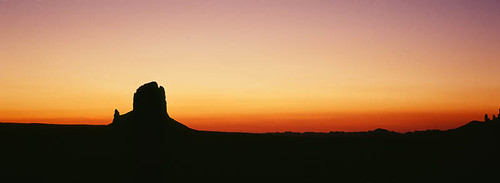
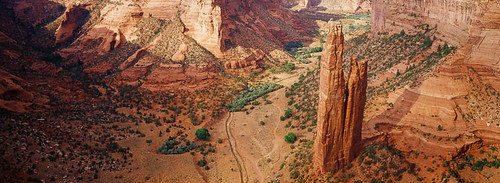
I already wrote my post on our trip to Arizona a while back, but I've been meaning to post some of the film shots that I took with the Xpan while I was there. I used almost all of my remaining Kodak E100VS in the process. I'm sad to see this film go out of production; it has some of the best sunrise and sunset color I've ever seen. Using it almost seems wrong. However, the Xpan was made for the wide open desert vistas, and I couldn't pass up the opportunity to shoot one of my favorite films in one of my favorite cameras. Film can't live in the freezer forever.

Road to Monument Valley

Monument Valley

Monument Valley

Spider Rock

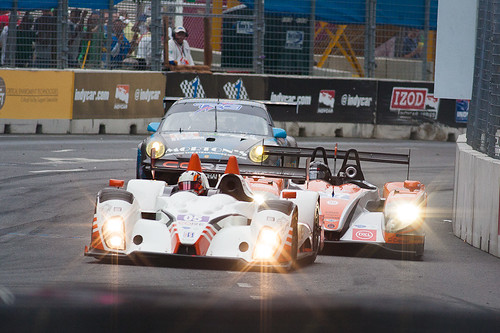
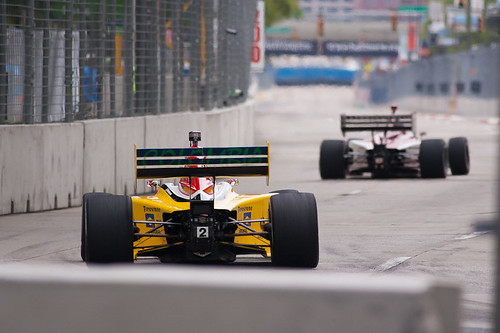
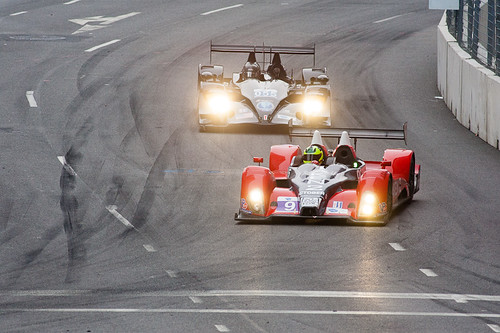
Baltimore Grand Prix 2012

Untitled

So here's a post that's way overdue. Last September I finally got to go to the Baltimore Grand Prix (ok, "Grand Prix of Baltimore"). If you get a chance to go, I highly recommend it. Here's what you'll need to get these shots:

  • Canon 1D Mark II
  • Canon 400/5.6 L USM
  • CF or SD cards
  • Plenty of water!

Just stand as close to the fence as possible and shoot through the fence at your widest aperture and you should be good to go. This is where a shallow depth of field really helps you out. The fence is so close that it blurs right out of the picture. In many cases, there were two fences between me and the track, spaced about four feet apart. With such a long focal length, I was still able to shoot through both fences without a problem. I'd still recommend switching the lens to far focus range (8.5m to infinity) to keep the camera from being tripped up by the fence though.

Also note that "tickets" aren't on that list. All of these shots were taken from the public viewing areas outside of the track. It actually amazed me that some of the best viewing areas were left totally free.

Untitled Untitled

That's not to say that I wouldn't recommend tickets. The general admission will get you plenty of cool places to watch the race, and plenty of free schwag. Unfortunately, almost none of the viewing locations lend themselves to racing photography. On the other hand, if you're looking for shots of spectators, you won't be disappointed. There's plenty of good people-watching in the general admission areas.

If you can swing it, I'd also recommend getting the paddock pass. It's inside the convention center, which is a great place to cool off and watch the drivers and race teams prep the cars. In some ways it's a show unto itself. If you're into getting portraits of the drivers, this is the place to be. Just have the high ISO ready, as the lighting is fairly poor (1/30 f/2.8 at ISO 1600).

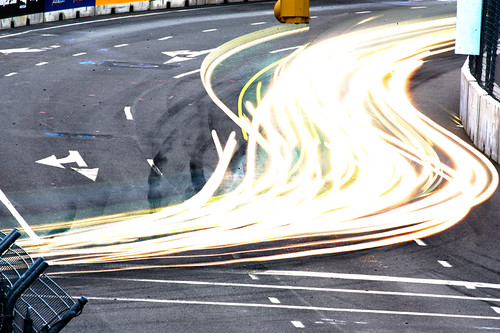
As a final note, here's a nine-shot composite image of turn 12 during the American Le Mans Series race. Each shot was a 2 second exposure at ISO 50, f/32.

Turn 12

It's amazing to see the variation in the tracks. Many of the wider and shallower turns (presumably sub-optimal) were due to other cars that were going through the turn at the same time. Here's a normal exposure from the same vantage point:

Untitled

Of course the 1D Mark II scored again. A camera that I bought used in 2005 is still making great images in 2012. You shouldn't have any trouble finding one for well under $1000. Happy shooting!

Sunday, July 8, 2012

Arizona Itinerary

Yes, it was a thousand miles. Yes, it was totally worth it.

Late last month we took our first trip out to Arizona using a nine-day itinerary that we put together back in 2010. Our original plan was to escape the cold of Maryland that March. Then we realized that the high desert of Arizona wasn't actually all that warm in early spring late winter, so we filed the itinerary away.

Before I continue though, I'd like to point out that this itinerary can be done in five days as well. So if you don't have nine vacation days, don't worry. Just change the two-night stays in Kayenta, Chinle, and Holbrook to one-night stays. What's more, you'll still get to be in the key locations at sunrise and sunset.


View Larger Map

Day 1:
Fly into Phoenix and drive to Cameron, stop for gas and supplies in Flagstaff. Cameron Trading Post has a nice hotel and a good restaurant, so I'd recommend staying there. Seriously, try the Navajo Taco. If you're really hard core, you can head over to the Grand Canyon for sunset (we didn't do this).
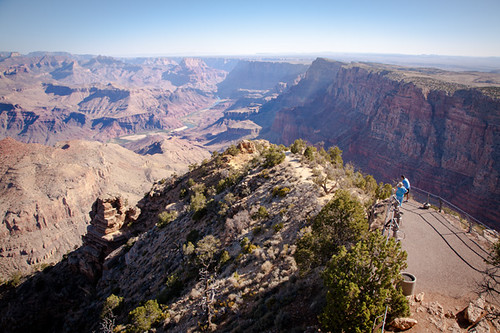
Desert View

Day 2:
Get an early start and visit the south rim of Grand Canyon, which is about 45 minutes away from Cameron. The earlier you can get there, the better since the light is nicer, and the temperature is lower. Take the middle of the day to drive to Kayenta, then hit up Monument Valley for sunset.
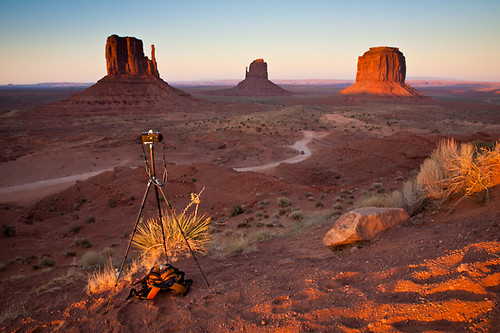
Xpan Monument

Day 3:
Head up to Monument Valley for sunrise, then do an early hike around the Wildcat Trail. Take plenty of water. Parts of the trail are sandy and therefore strenuous. Chill in the hotel for the hot part of the day, then head back to Monument Valley for sunset. I'd recommend booking a sunset tour with one of the local Navajo guides, which should run about $75 per person. Ask for the guide who plays his flute at the Big Hogan during the tour.

Day 4:
Gas up the car and drive down to Chinle (watch out for bulls and horses in the street), then hit up the north rim of Canyon de Chelly. Be sure to bring your binoculars to get a better view of the ruins.

Day 5:
Take an early hike from the south rim down to the White House ruins. Again, bring plenty of water, most of which you'll drink on the way back up to the top. When you get back to the top, hop in the car and preview the rest of the south rim. Wait out the heat in the hotel, then head back out for sunset pictures at Spider Rock.
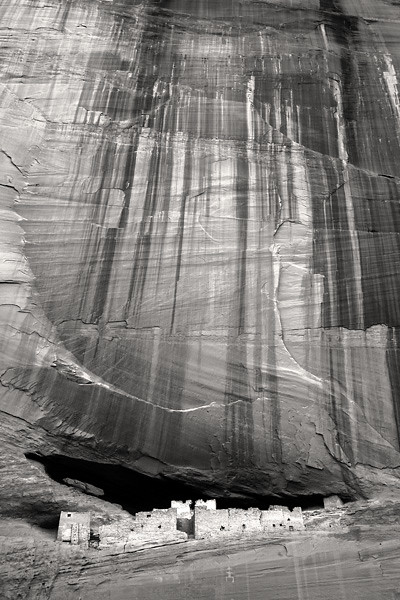
White House Ruins

Day 6:
Take your time and make your way to Holbrook. Be sure to stop at the Hubbell Trading Post and Painted Desert along the way. I'd also recommend stopping at the Painted Desert visitor center to watch the film on how the park formed. Take some time in the evening to check out old Route 66 in Holbrook. Heck, you can even stay in a tepee at the Wigwam Motel.
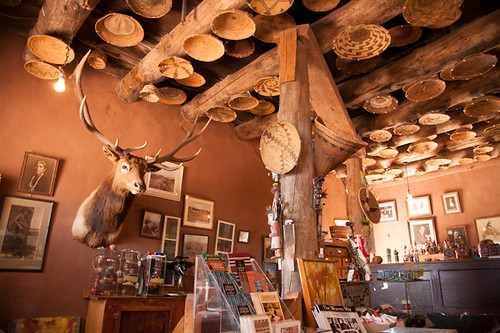
Hubbell Trading Post

Day 7:
Petrified Forest. Take the morning to check out the amazing colors in the Crystal Forest, then head north to the Blue Mesa, Puerco Pueblo ruins, and Newspaper Rock. If you're into train-spotting, then this is also a great location since there's almost always train traffic along I-40. Again, escape the heat in the hotel, then head back to Blue Mesa for sunset pictures.

Day 8:
Listen to some Eagles and head over to Winslow. Hit up the Old Trails Museum, stand on "the corner", and walk old Route 66. Gas up the car and head south along AZ-87 (Bee Line Highway) to Phoenix. It's a fairly mundane drive at first, but it eventually opens up into an amazing mountain road. Be sure to stop and check out the saguaro cactus at Ballantine trail near mile marker 210.
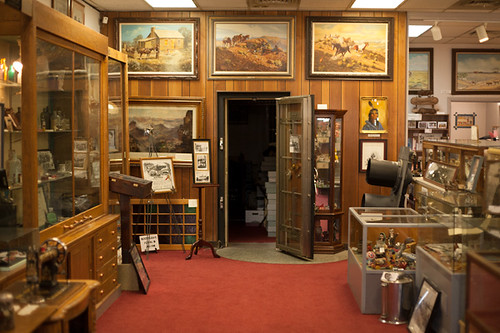
Old Trails Museum

Day 9:
Fly out of PHX.

Other Tips:
Don't forget to make your hotel reservations in advance. There aren't a lot of options in towns like Cameron, Kayenta, and Chinle, especially if you care about the quality of your accommodations.

If you decide to book any tours or reservations, be sure to clarify whether Daylight Saving Time (DST) is in effect. Arizona does not observe DST, but the Navajo Nation does. I would also recommend not reading the time from your cell phone. Basically, most cell phones are configured to use the time of the nearest cell tower. The problem is that you don't know whether the nearest cell tower is actually in the Navajo Nation, so you don't know if your phone is giving you the correct time.

Also remember to pick up some extra jugs of water in Phoenix or Flagstaff. You never know what kind of cooling problems you or your car are going to have out in the desert. We didn't use up all our water, but the guys at the rental car return gladly took our unopened bottles.